From Clutter to Calm: Your Guide to Eco-Friendly Landscape Restoration
Is there a corner of your yard you tend to ignore? Perhaps it’s an overgrown side yard, a pile of old construction debris, or a collection of unwanted items that have accumulated over the years. For many homeowners in Portland, reclaiming this lost space feels like a daunting task. But what if you could transform that cluttered area not just into something usable, but into a beautiful, sustainable urban oasis that reflects the natural beauty of the PNW?
This guide will walk you through the process of sustainable landscape restoration, starting with the crucial first step of responsible cleanup and ending with a thriving, eco-friendly garden. It’s about more than just tidying up; it’s about thoughtfully preparing a blank canvas for a landscape that enhances your property, supports the local ecosystem, and creates a peaceful outdoor retreat for you and your family.
Step 1: The Blank Canvas - Sustainable Property Cleanup
Before you can dream of planting Oregon native flowers or designing a new patio, you have to deal with what’s already there. An overgrown or junk-filled property can be a major source of stress and a barrier to enjoying your home. The first, most impactful step is a thorough cleanup, but how you dispose of that waste matters.
Eco-friendly junk removal is about minimizing landfill impact. Instead of hauling everything to the dump, a responsible approach involves a careful process of sorting and separation.
- Recyclables: Items like scrap metal, concrete, and clean wood can often be recycled and repurposed.
- Donations: Old furniture, tools, or playsets that are still in usable condition can be donated to local charities.
- Green Waste: Yard debris like fallen branches, invasive blackberry bushes, and old leaves can be composted to create nutrient-rich soil amendments.
- Proper Disposal: Only the items that cannot be recycled or reused are taken to the proper waste facilities.
By choosing a service that prioritizes sustainable disposal, you’re not just clearing your property; you’re making a conscious choice to reduce waste and begin your landscaping project with a clean, green slate.
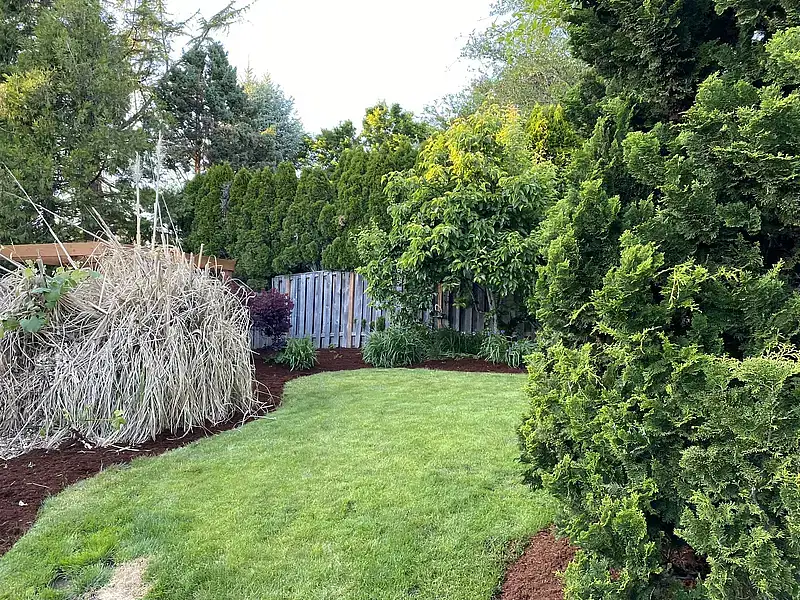
Step 2: Preparing the Ground for New Life
With the clutter gone, you can now focus on the health of your landscape itself. This stage is critical for ensuring your new garden will thrive for years to come. It often involves addressing overgrown plants and enriching the soil.
First, assess the existing trees and shrubs. Are there overgrown branches blocking sunlight or posing a safety risk? Professional tree trimming can improve the health and structure of your mature trees, allowing more light to reach the ground below and shaping them for your new design. This is also the time to remove any unhealthy or invasive plants that could compete with your new landscape.
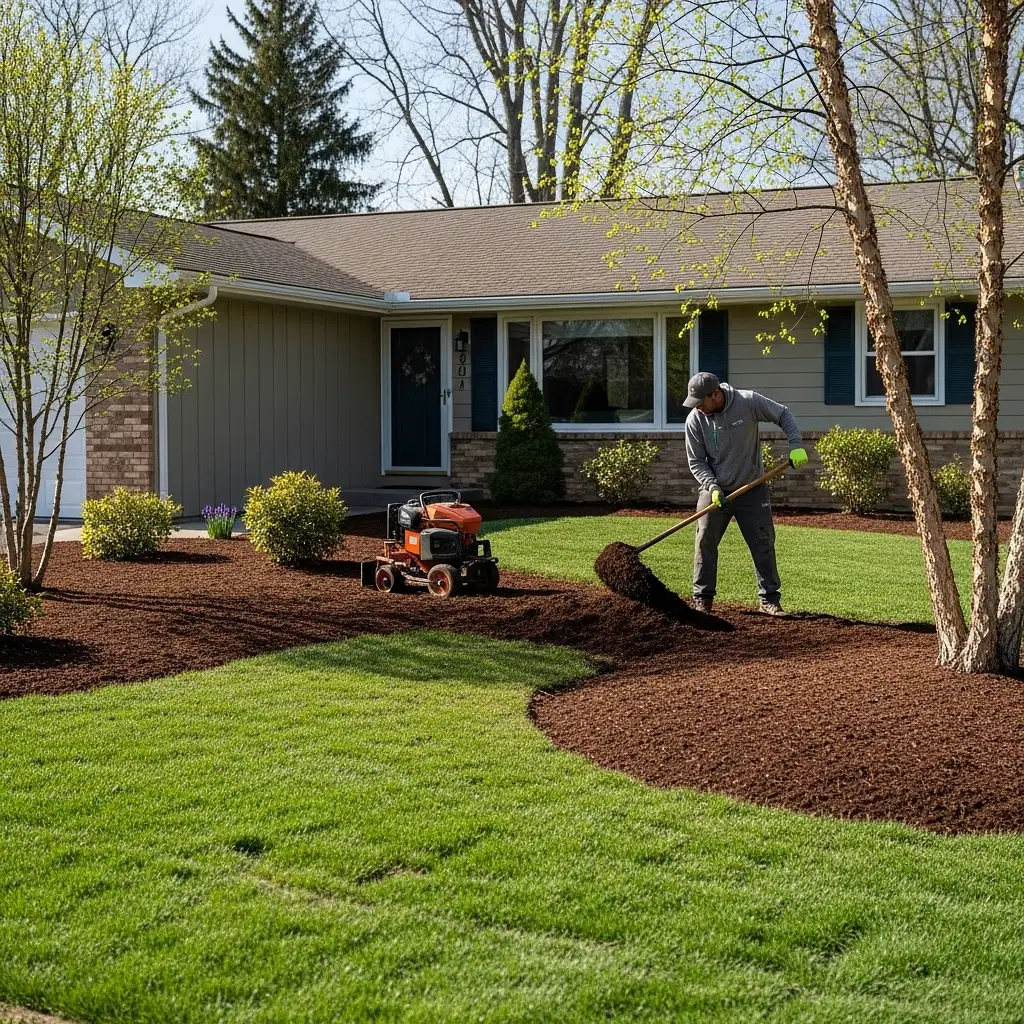
Next, turn your attention to the soil. Healthy soil is the foundation of a resilient garden. After clearing weeds and debris, enriching the soil is key. An application of high-quality, organic mulch offers numerous benefits:
- Weed Suppression: It creates a barrier that prevents weed seeds from germinating.
- Moisture Retention: It reduces water evaporation, which is crucial for our dry summers and for establishing drought-tolerant plants.
- Soil Health: As organic mulch breaks down, it adds vital nutrients to the soil, improving its structure and fertility over time.
Taking these steps ensures that your property is not just clean, but truly ready to support new life.
Step 3: Designing Your Sustainable PNW Oasis
Now for the exciting part: bringing your vision to life. A sustainable landscape is one that works with our local climate, not against it. This means selecting plants and features that are beautiful, functional, and environmentally friendly.
When planning your landscape design and installation, consider incorporating these sustainable elements that are perfectly suited for our region:
- Oregon Native Plants: Choosing plants that are indigenous to our area—like Sword Ferns, Oregon Grape, and Red-Flowering Currant—creates a habitat for local pollinators and wildlife. They are naturally adapted to our soil and weather, meaning they require less water and maintenance once established.
- Drought-Tolerant Gardens: While we get plenty of rain, our summers can be long and dry. Designing with drought-tolerant species reduces your reliance on irrigation, conserving water and lowering your utility bills.
- Rain Gardens: Instead of letting valuable rainwater run off into the storm drains, a strategically placed rain garden can capture and filter it. These shallow depressions, planted with water-loving native plants, are a beautiful and effective way to manage stormwater on your property.
A well-designed sustainable landscape provides year-round interest, from spring blooms to winter textures, creating a personal retreat that is both beautiful and ecologically responsible.
From Overgrown to Outstanding: Your Property's Potential
Transforming a neglected part of your property is a powerful investment. It goes beyond simple aesthetics; it enhances your quality of life, increases your home's value, and contributes positively to the local environment. By starting with eco-friendly junk removal and following through with sustainable landscaping practices, you create an outdoor living space that you can feel good about.
You reclaim lost square footage, turning it into a functional area for relaxing, entertaining, or playing. You reduce your long-term maintenance chores and water consumption. Most importantly, you create a beautiful, thriving extension of your home that connects you with the unique natural character of the Pacific Northwest.
Ready to reclaim your yard and create the sustainable landscape you’ve been dreaming of? The team at True Depth Services LLC is here to help with every step of the process. From responsible junk removal and expert tree trimming to a complete landscape design and installation, we have the expertise to restore your property's potential. Contact us today for a consultation and let’s start planning your transformation here in the Portland area.